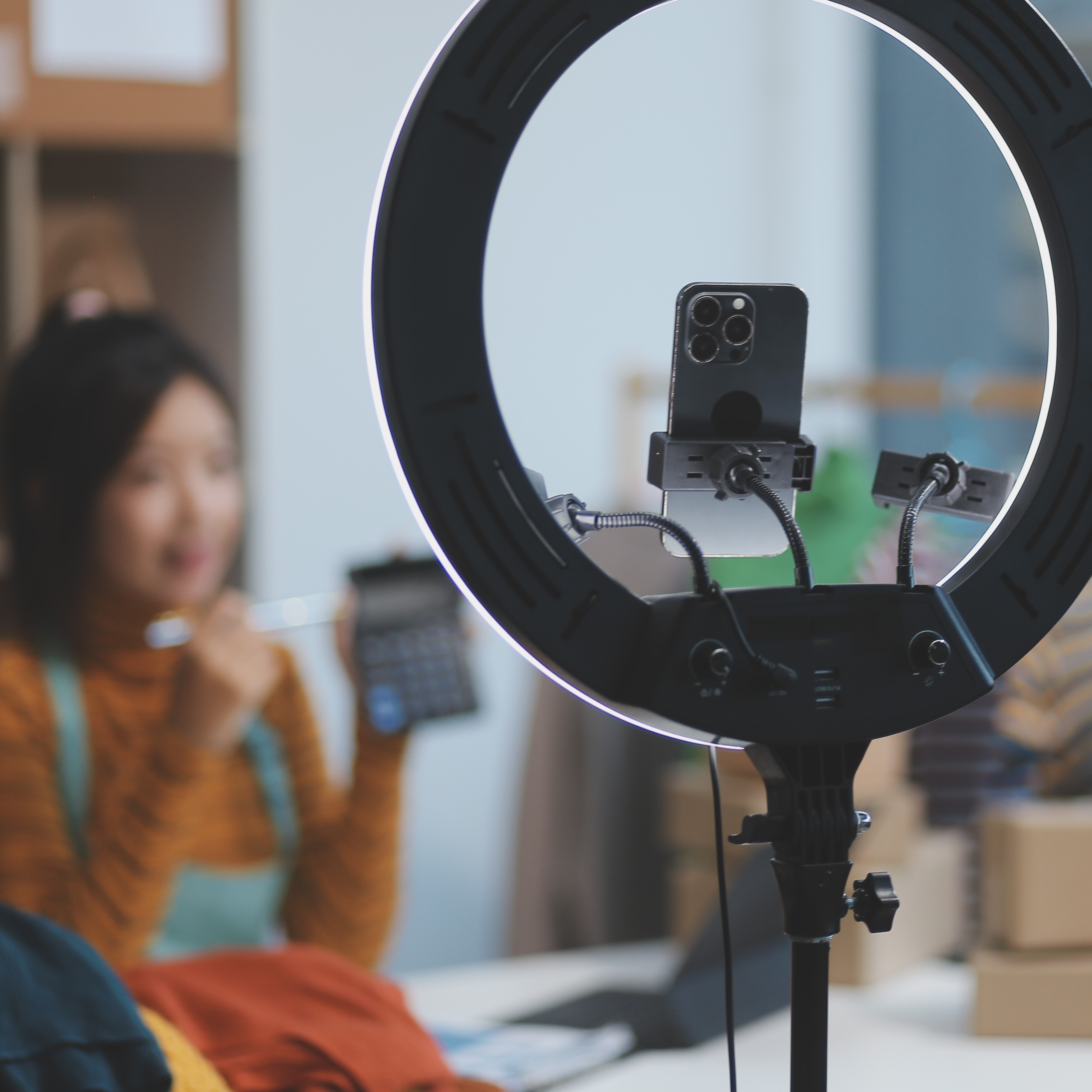
You’re overthinking your creatives.
Yes, sometimes you spend too much time trying to create a perfect picture: all pixels in place, all angles are flattering, and the lighting is coming straight from Winding Refn’s movie, but when push comes to shove, it doesn’t perform as expected, as the public seems to crave something… rough around the edges. And you sit down to analyze your competitors, bump into a viral TikTok shot in a messy kitchen with a shaky camera, only to discover that this seemingly ugly creative gets more engagement and ROAS than your sleek review produced by a team of highly professional specialists. Frustrating, isn’t it?
That is not to say that glossy pictures and videos are dead, not at all; they are still very powerful in certain niches. However, not all creatives have to be artistically sophisticated: more often than not, what feels raw and real stops the scroll way faster.
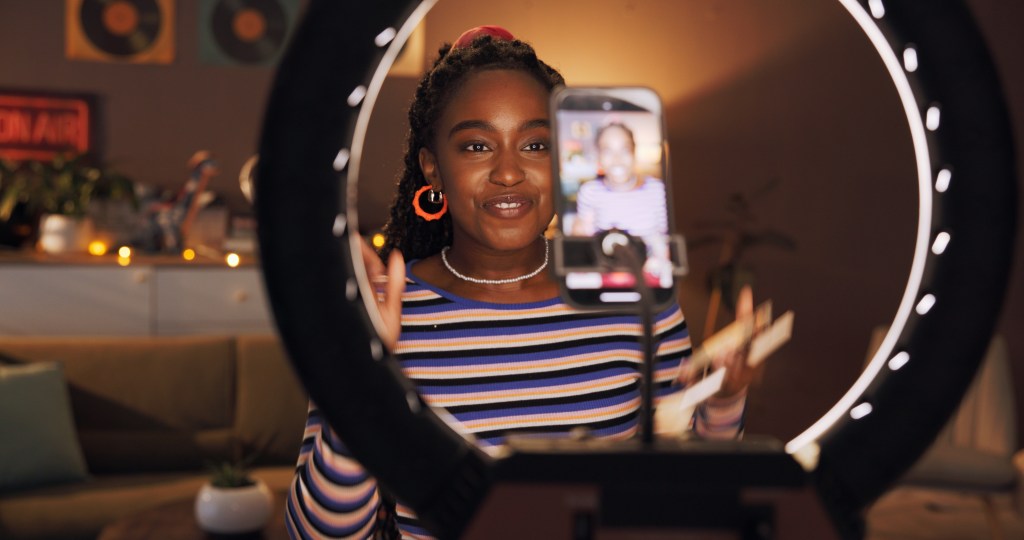
You must have met this “raw and real” content before: YouTube’s lo-fi music channel with an anime girl doing her homework; Charli D’Amelio’s clips on TikTok; rough thumbnails, or a million other examples that capture people’s attention, leaving you genuinely surprised. Is this what people really like?
Um, yes and no. Your conundrum unravels here: lo-fi content, which includes photos or short-form DIY videos with minimal editing, simply feels authentic.
Unsurprisingly, these are most common (and effective) on TikTok and Meta. Such casual clips reflect public perception of the platforms: raw, personal, unfiltered, and spontaneous. Forget about perfect lighting or polished scripts; all you need is a certain grade of hobnobbing: pretend you’re FaceTiming your friend, share your thoughts about the product you’ve just used, and presto! Your off-the-cuff style often resonates as ten times more genuine than a mapped-out review, and that’s exactly why it works.
If you’re thinking about smooth and cinematic narrations from a BBC documentary, put that aside and apply the rule from the previous paragraph: share your vibe with everyone, not thinking about how (im)perfect the recording is.
The secret lies in unscriptedness, off-the-cuff authenticity you radiate, as if you’re giving honest advice or delivering a hot take, inviting people to discuss the topic. Even when the audio isn’t impeccable or the delivery is a little chaotic, audiences tend to feel compelled to contribute to the discussion.
Let’s get things straight: bold or awkward designs can work in the right context. Exaggerated visuals like neon text or emojis have their place, but often it’s the low-effort, imperfect thumbnails that blend in naturally with a feed.
This visible lack of effort is part of the appeal. Such creatives don’t fight for attention, but they look native to the platform where they are scattered, and audiences, enticed by the blurry thumbnail in the overall high-resolution feed, feel tempted to take a closer look.
“TikTok made me buy it!” an influencer complains, demonstrating another over-the-top gown, crazy wig, professional makeup kit, or dubious household appliance that barely accomplishes the task it was bought for.
Sounds familiar? Right. No studio, no editing, no script, no post-production (or just a few little changes). Audiences react to this casual talk and admire the genuine excitement as it reminds people of their friend doing the unpacking, not of a brand’s crude attempt at pushing a product their way.
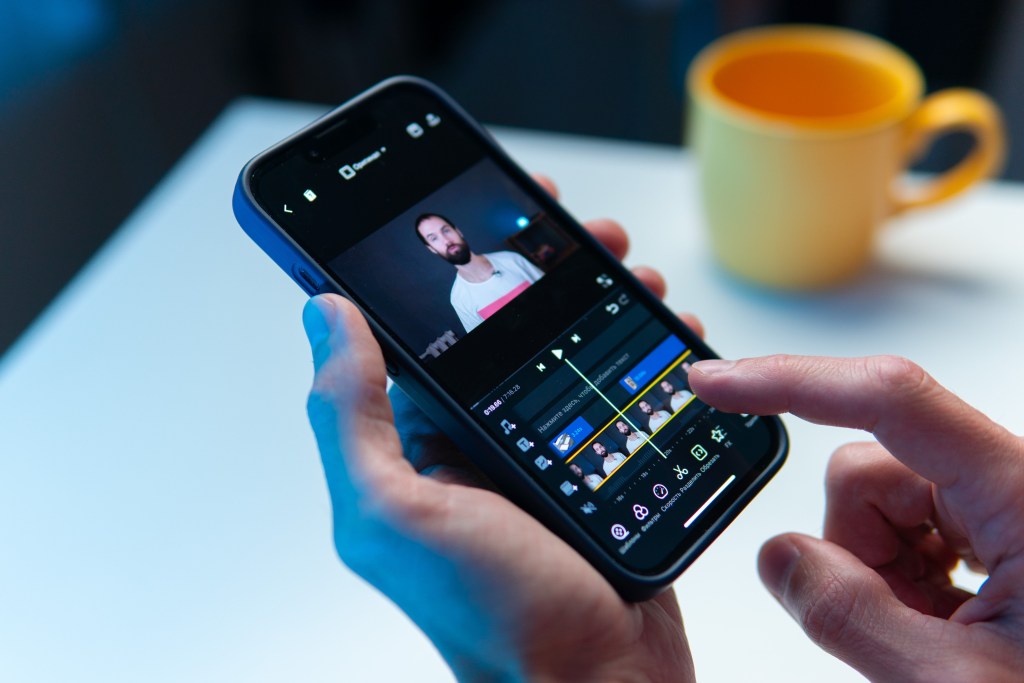
Although lo-fi creatives steal the limelight, they aren’t always the solution: for example, you can’t afford to botch your landing page with a low-res logo. Not only is it considered unprofessional, but it also looks suspicious and deters the potential lead from taking the desired action.
Retargeting ads designed to build confidence also benefit from a polished approach. When you’re engaging warm audiences who already know your brand, sleek creative can reinforce credibility and remind them why they’re interested in the first place. If you need an illustrative example, imagine Netflix’s original series posters: you cast one quick glance, and you know that’s gotta be good.
Premium or high-ticket offers are another space where polish directly influences perception. High production value signals premium quality and justifies a higher price point. When customers are investing more, they expect your creative to reflect that level of excellence.

Having launched a variety of campaigns on the internet, we can safely say that not every creative asset calls for the same level of polish. To help you navigate when to invest in high production value or embrace a more authentic style, we’ve put together a detailed breakdown based on several key factors: audience stage, platform behavior, budget, and brand positioning.
1. Audience Stage
Cold Audiences. As this category consists of people who have no prior knowledge of your brand and have never previously interacted with your company, it would only be logical to grab their attention with lo-fi creatives that feel native and relatable. The authenticity you are showing with such creative bits will lower the barrier and may eventually lead to engagement.
Warm Audiences. They know who you are and what you do. Why not use it as an excuse to show what you can do? We’ve tested different approaches, and the results demonstrate that polished creatives further reinforce trust and credibility among people who are already familiar with your brand.
2. Platform Behavior
TikTok & Instagram Reels. You can scroll your own feed and come up with an expected conclusion: most of the creators seem spontaneous, and their brief speeches unscripted, as if an idea has just dawned upon them moments before hitting record. These platforms are begging for lo-fi content.
YouTube & Facebook. A little more sophisticated than the former ones, these platforms support a wider range of creative styles depending on your audience and business goals. However, if you rely on longer-form content or where brand storytelling is key, polished creative often shines brightest.
3. Budget & Test Speed
Limited Budgets / Fast Testing. As you have already noticed, lo-fi creatives can be produced quickly and at a lower cost, which is ideal for rapid iteration and discovering what works without a heavy upfront investment.
Higher Budgets / Longer Campaigns. When the time comes to scale up and/or target high-value conversions, you should consider investing in polished creatives. In this case, high-quality production elevates your brand’s perceived value and builds trust.
4. Brand Positioning
It would be too easy to say that all luxury/premium/established brands require polished creative because it isn’t quite true: in 2024, Fenty Beauty launched a social media campaign on TikTok; Marc Jacobs and Loewe are leveraging lo-fi content while building their traditional campaigns; and Jacquemus x Bemi had the best 14 seconds of marketing in 2024, racking up over 11M views in just two days. Normally, luxury brands would prefer polished creative, but sometimes, when you’re bold enough and perfectly understand your audience, you should try tapping into lo-fi.
On the other hand, emerging brands tend to fully lean into lo-fi, evincing authenticity and moulding their personalities in the process. They often resort to humor, storytelling, and relatable moments that resonate with their developing audiences, forming connections and creating the impression of something accessible and real.
As you can see, the secret of success here is understanding your audience and staying true to the voice and values of your brand.

While some marketers dismiss lo-fi creatives as an amateurish attempt at promotion, more broadminded experts are actively exploring the opportunities. Yes, lo-fi doesn’t fit every brand and every niche; yes, you still have to figure out additional nuances and platform dynamics, but when done thoughtfully, lo-fi content can drive impressive results and gain the audience where polish falls flat.