.webp)
At the 2024 Paris Olympics, the global audience came together to celebrate the achievements that we all share. This was a unique event where brands could connect with a diverse audience and achieve amazing marketing success. The International Olympic Committee (IOC) had been preparing the marketing plans for the Olympics since the games’ qualifiers over a year and a half ago, and had set the stage with a strategic marketing playbook focused on diversity, unity, and engagement. In this article, we’ll look at how brands can use this approach to create impactful global marketing campaigns.
Since the games are not just about sports, but also unity and engagement, the marketing strategies we’ve seen during the Paris 2024 Games are exactly that. We’ll break down four key elements that made Olympic marketing campaigns so powerful.
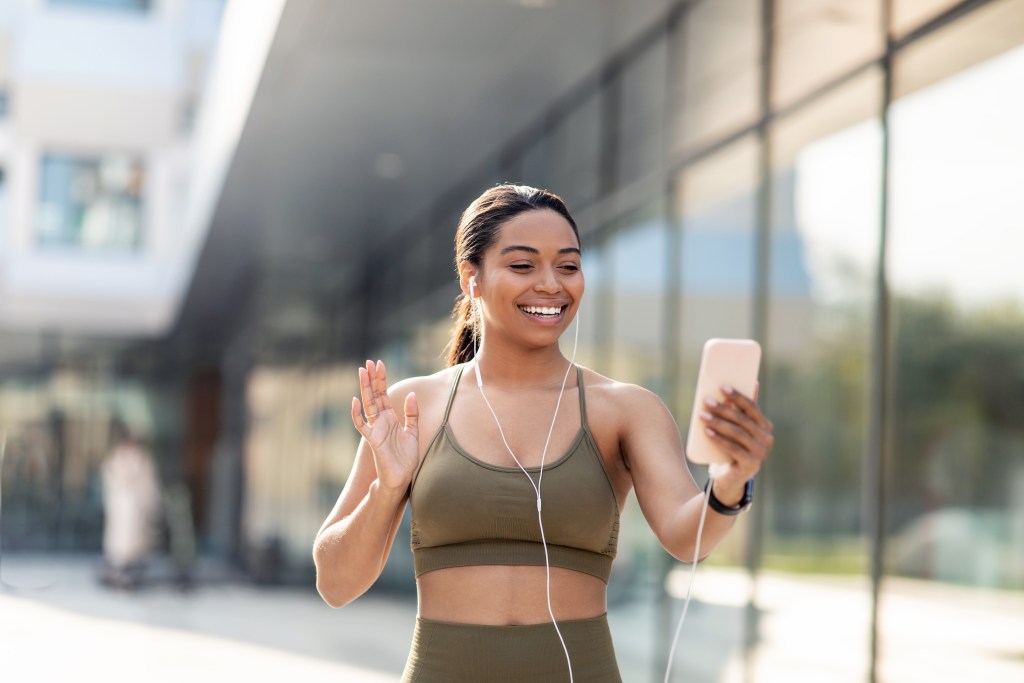
The “Let’s Move” campaign launched by the IOC in June 2024 is a good example of combining multi-channel integration with real-time responsiveness. The point of this campaign was to get the world to join in by inviting people to make their own athlete celebration moves and share them on social media.
Source: Shutterstock
Social media, TV ads, a collaboration with the World Health Organization (WHO) — all saw the campaign spread across as many platforms as possible. This multi-faceted approach gave the campaign maximum reach and engagement, prompting users to interact with it via different channels.
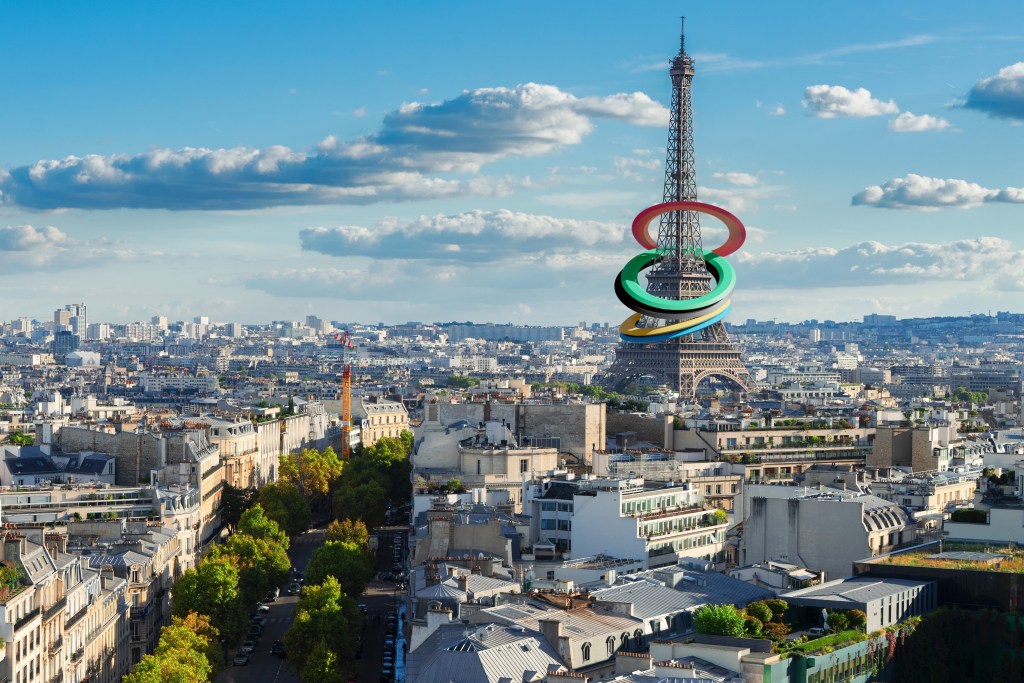
The dynamic interaction with users also demonstrated its real-time aspect. The IOC responded by featuring some of the user-generated content with the hashtag #LetsMove and tag @Olympics. This responsive engagement not only kept the campaign interesting and exciting, but also created a sense of community and instant recognition. A campaign by OMEGA watch brand presented surreal scenes with athletes in iconic Parisian locations. It was yet another strong instance of introducing user-generated content into a campaign. Fans were asked to share their own creative Olympic moments using the hashtag #OMEGAParis2024.
Source: Shutterstock
Not only was this strategy successful in increasing engagement, but it also created a sense of “knowing” the brand. The OMEGA campaign is an example of a strategy that used the interest towards the Olympics to fuel their ad campaign and attract more UGC that also propelled the campaign forward.
How it can be applied to performance marketing:
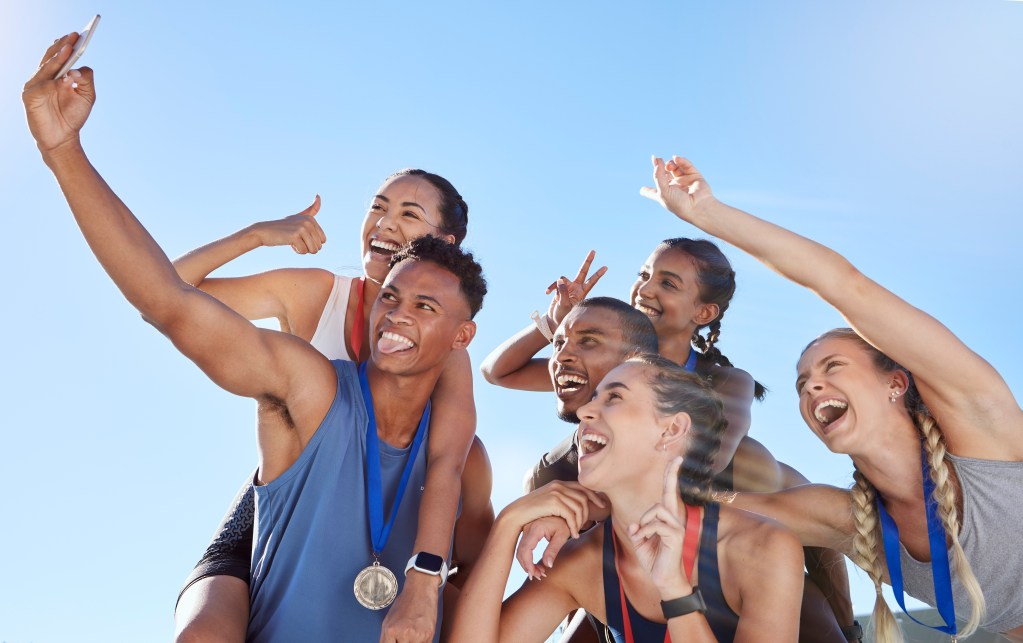
A perfect example of emotional storytelling — the IOC’s promotion of the Refugee Olympic Team at the 2024 Olympics. The “1 in 100 Million” campaign film shed light on the resilience and determination of 36 refugee athletes as they tell of their incredible journeys to the Games. All these were not about the sports event itself, but rather about solidarity, unity, and courage in the face of adversity — broadly relating to the Olympic spirit.
Source: Shutterstock
The IOC achieved this by presenting deeply emotional personal stories of refugee athletes, forging powerful connections with a global audience. That reinforced the idea of greatness and perseverance without borders, while also underlining the universal nature of the campaign.
How it can be applied to performance marketing:
Airbnb500 travel grant to support athletes is a prime example of personalization and localization in action. Airbnb understands that Olympic and Paralympic athletes have different needs and challenges, and by providing tailored financial support they promote the spirit of togetherness.

Source: Shutterstock
Airbnb also showed that they know their target audience really well: these are athletes who often travel and need comfortable, reliable places to stay to continue their grueling training and competition schedules. The $500 travel grant that can be used for Airbnb Stays worldwide is a great example of a brand creating a customized, relevant experience for its audience.
How it can be applied to performance marketing:
? Leverage emotional storytelling: Use resonant narratives that fit with your audience’s values and aspirations.
? Encourage user-generated content: By inviting your audience to share their own stories and experiences, you can foster community and authenticity.
? Be responsive in real-time: Keep your content fresh and relevant by engaging with current events and trends.
? Integrate across channels: Make sure that the ad experience is seamless, also use multi-channel approach to maximize reach and engagement.
? Personalize and localize: Speak to your audience in a way that calls to their unique needs and cultural specificities.
? Avoid generic messaging: Don’t write broad impersonal content — try to connect with your audience on a deeper level.
? Avoid overcomplicating strategies: Keep your multi-channel approach cohesive and consistent across platforms.
? Don’t ignore cultural differences: If you don’t localize your content, you alienate parts of your audience and make your campaign less impactful.
Paris Olympics 2024 was a performance marketing masterclass, and this event offers a wealth of lessons on what does and doesn’t work in promoting large-scale, emotional campaigns. The brands that succeeded during the Games did so by tapping into universal themes of perseverance, unity, and community — values that are very much part of the audience’s DNA.
These Olympic strategies can be applied to your performance marketing efforts — whether it’s emotional storytelling, user-generated content, real-time responsiveness, multi-channel integration, or personalization — they can take your campaigns and your success to the next level. It’s time to reevaluate and fine-tune your marketing strategies and develop powerful, relevant campaigns that generate outstanding results.