Growth in 2026 looks very different from what it did even a few years ago. Not because channels disappeared or new tools magically replaced old ones, but because the constraints around growth have become clearer and harder to ignore.
Today’s marketing teams operate in an environment shaped by fragmented data, increasing pressure to prove ROI, widespread AI experimentation without clear governance, and growing expectations around trust and transparency. A realistic growth strategy can’t be built on hype or assumptions. It has to be designed around what’s actually broken.
If we were building a growth strategy from scratch in 2026,this is where we’d start.

Most growth strategies still begin with channels: paid media, SEO, social, email. But the biggest blockers to growth today aren’t channel-specific. They’re structural.
Many teams use a wide range of marketing tools, yet still struggle to unify data, activate insights in real time, or clearly connect marketing activity to business outcomes. Adding another platform rarely fixes that. More often, it increases complexity and slows decision-making.
A 2026-ready growth strategy would start by reducing friction at the foundation: fewer systems, better integrated, and designed to support faster, clearer decisions rather than more dashboards.
Clicks, installs, leads, and impressions are still useful signals, but they’re not enough on their own. One of the most persistent challenges in performance marketing is tying activity to long-term value.
Measurement shouldn’t be an afterthought. It needs to be designed alongside the strategy itself, with a clear focus on revenue impact, retention, and customer lifetime value. Short-term efficiency metrics still matter, but only when they support sustainable growth.
This shift requires accepting that not everything can be optimized instantly. It also requires aligning marketing and business teams around shared success metrics, instead of siloed KPIs.
AI is no longer optional in marketing. Most teams are already experimenting with it, whether for content creation, automation, analysis, or personalization. The real challenge lies in using it consistently and responsibly at scale.
A growth strategy built for 2026 wouldn’t treat AI as a replacement for strategy or creative thinking. It would focus on where AI genuinely improves efficiency, consistency, or decision-making, supported by reliable data and clear ownership.
Trust, governance, and data quality become more important as AI becomes more embedded in marketing operations. Without them, AI adds risk instead of leverage.
Creative output has never been easier to produce. Performance hasn’t become easier to sustain.
Rather than relying on isolated campaigns or constant reinvention, a modern growth strategy treats creative as a system: modular, testable, and aligned with clear objectives. That means designing creative frameworks that can scale across channels while remaining adaptable to insights from performance data.
In 2026, creative is about enabling consistent learning and iteration without losing brand coherence.
Experimentation remains essential, but experimentation without structure rarely scales. The focus shifts from isolated tests to systems that connect media, creative, data, and analytics around shared goals.
Growth becomes more sustainable when teams optimize the whole engine instead of individual parts. That requires clearer prioritization, tighter feedback loops, and fewer handoffs between disconnected teams or tools.
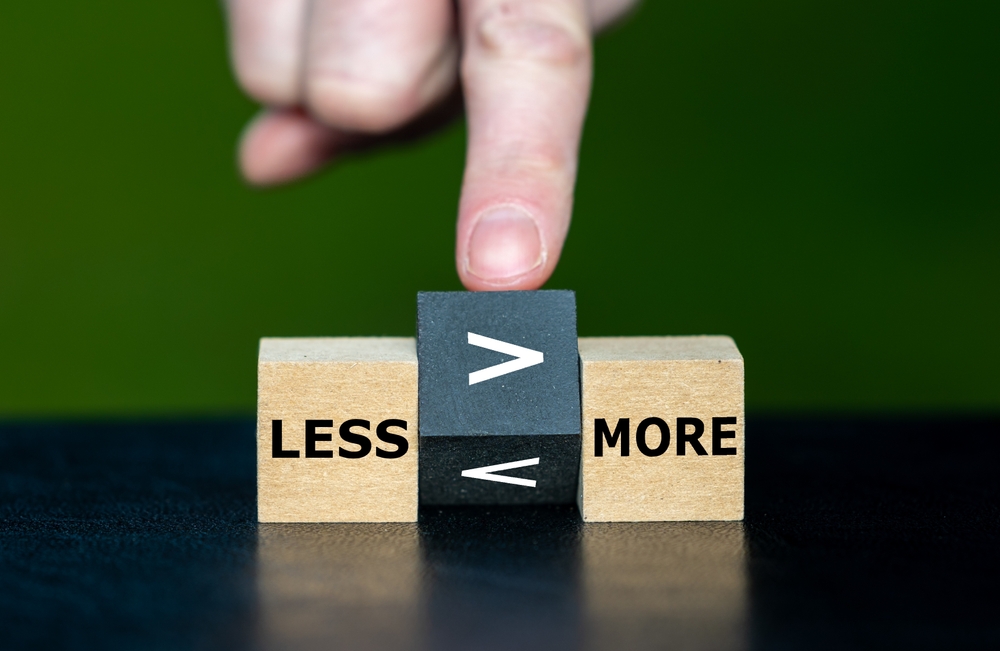
A growth strategy built for 2026 would aim to do the right things well.
Fewer tools, clearer measurement, intentional use of AI, and systems designed to scale rather than just experiment. The companies that grow sustainably are the ones willing to rethink how growth actually works under real-world constraints.
This way of thinking reflects how we approach growth initiatives at Creative Clicks. We focus on building systems that can scale over time, rather than chasing short-term wins or adding complexity for its own sake. As growth becomes harder to sustain, clarity, structure, and intention matter more than ever.